
The Dog Star Navigation Project
Celestial Navigation is an extraordinary body of knowledge.
For centuries, sailors have navigated oceans by observing the Sun, Moon, planets and stars. They learned to understand time, measure angles, calculate position and, ultimately, find their way across the world's oceans using nothing more than a sextant, an almanac, a clock and the sky.
Modern navigation technology has transformed sailing. GPS, chartplotters and electronic systems are extraordinarily capable, and Dog Star Navigation has no desire to turn the clock backwards.
But some knowledge is worth keeping.
The Dog Star Navigation Project exists to keep the art and practice of Celestial Navigation alive, relevant and accessible to modern ocean sailors — and to pass that knowledge on to the next generation.
We believe Celestial Navigation is more than a backup.
It is a way of understanding navigation at a fundamental level.
Celestial Navigation teaches us about position, time, the Earth and its relationship with the celestial bodies around us.
It develops observation, judgement, calculation and confidence.
And there is something uniquely satisfying about looking at the sky, taking an observation and turning it into a position on Earth.
In a world increasingly dependent on technology, that connection remains valuable.
You are not simply learning how to find your position.
You are learning how
to understand where you are.
Technology can assist that process. It should not replace understanding.
- Understand before you memorise.
- Learn the system, not a collection of tricks.
- Use technology intelligently.
- And never lose sight of where the knowledge came from.
Respecting those who came before
Celestial Navigation has been developed, refined and taught by generations of sailors, navigators, mathematicians, teachers and instrument makers.
Dog Star Navigation stands on the shoulders of those people.
We want to acknowledge their contribution, preserve their knowledge where it remains relevant, and make it accessible to sailors today.
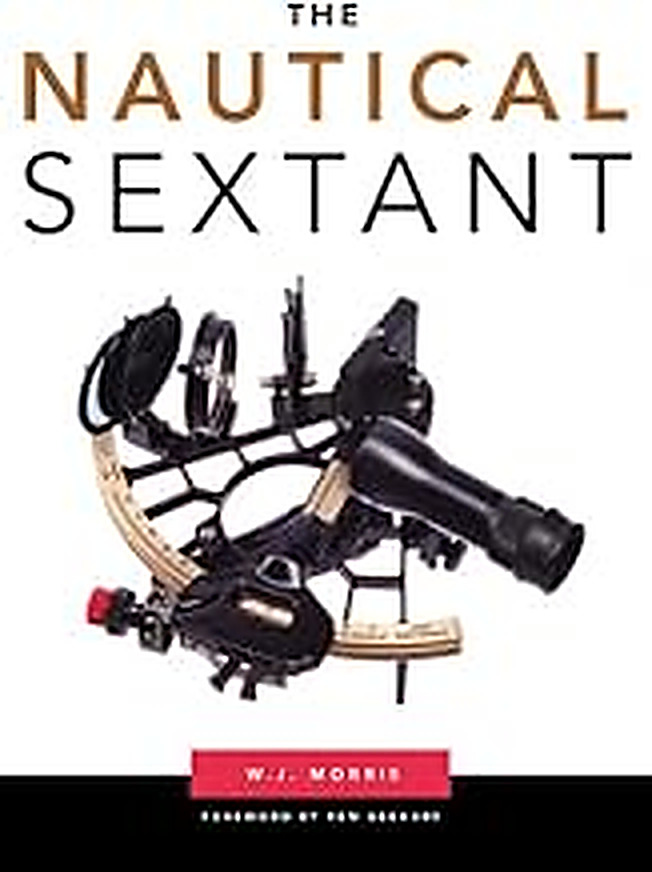
We are particularly grateful to those who have shared their knowledge and experience with us, including Bill Morris, author and world renowned expert on sextant restoration, who has generously given permission for Dog Star Navigation to use selected photographs and acknowledge his books as part of the Project.
Looking forward
The Dog Star Navigation Project is not an attempt to recreate the past.
It is an attempt to carry something valuable from the past into the future.
That means teaching Celestial Navigation in ways that make sense to today's sailors, developing modern learning resources and tools, using technology where it genuinely helps, and making the subject accessible to people who may never have considered learning it.
The ultimate aim is simple:
To ensure that the knowledge of navigating by the sky does not disappear simply because we have found easier ways to navigate.
And perhaps, years from now, another generation of sailors will look up at the night sky, take a sextant sight and know exactly what they are doing.
Friends of the Dog Star Navigation Project
The Project is fortunate to have the support of people and organisations who share an interest in keeping Celestial Navigation alive.
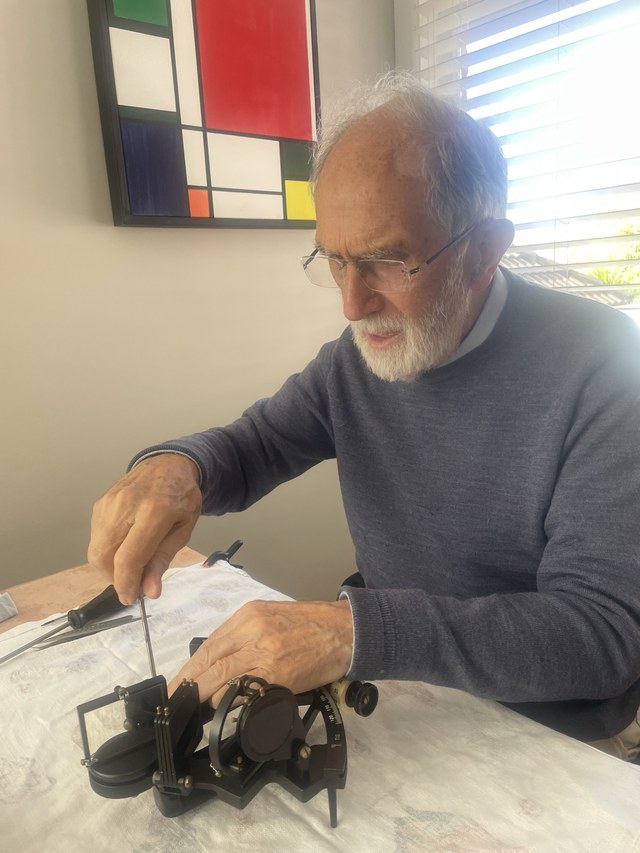
Bill Morris has generously given Dog Star Navigation permission to use selected photographs from his work and to acknowledge his books in our teaching and project material.
His contribution to the understanding and preservation of practical Celestial Navigation is greatly appreciated.
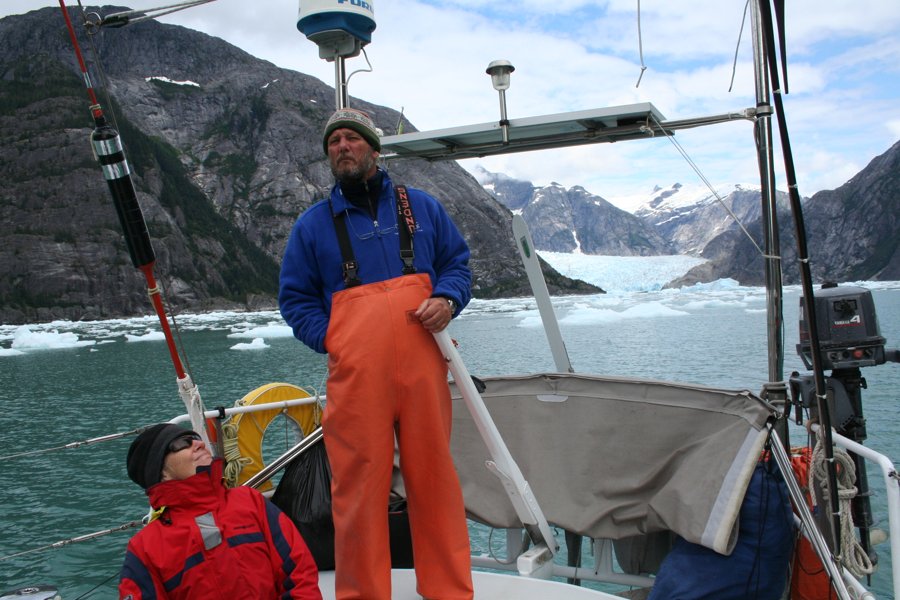
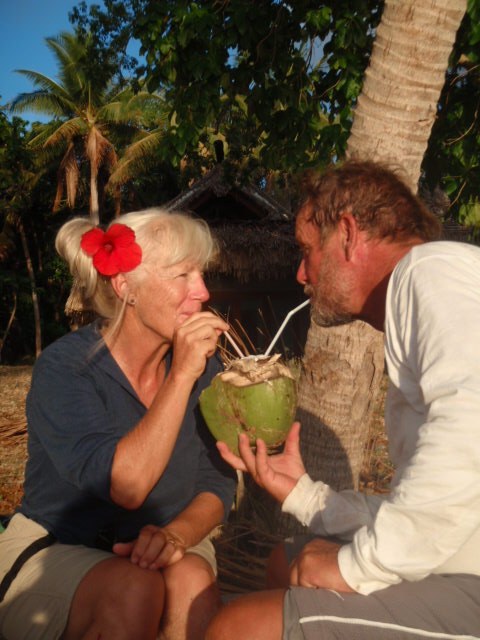
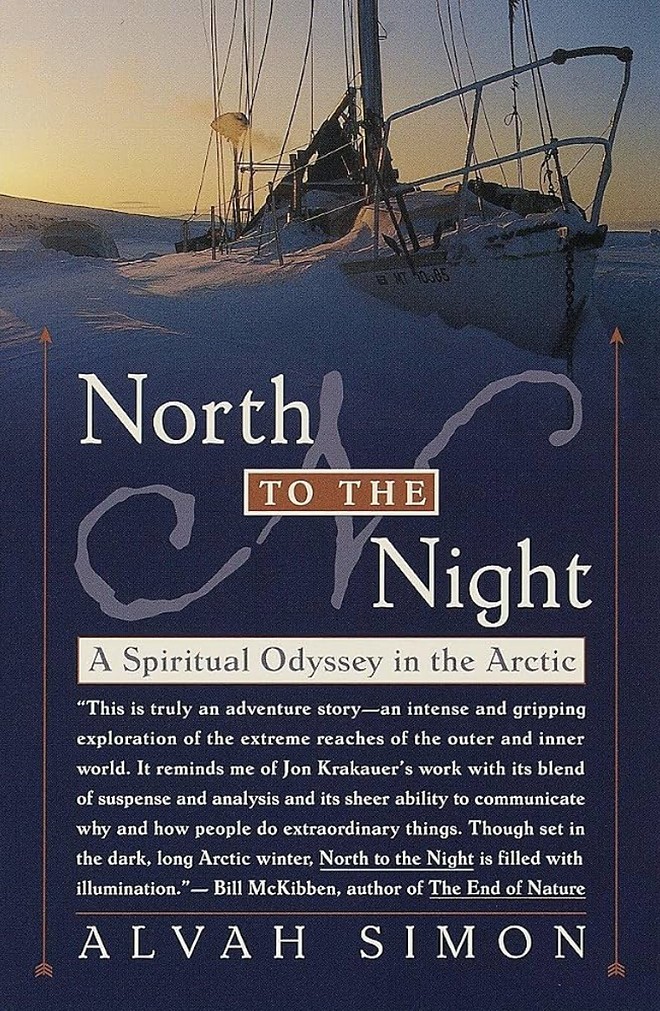
Alvah and Diana Simon have sailed more than 100,000 miles together over three decades. Alvah is the writer and Diana the photographer, and they've explored the thornier edges of the world, from Asia to Africa and from the Deep South to the Far North.
They met in Queensland in the early eighties. Alvah was sailing through from the USA, and Diana, a dairy farmer's daughter from Putaruru, had just returned from an extensive cruise of Papua New Guinea. They married on a beach in the Philippines and set off on a life of adventure.
Together they received the Cruising World Outstanding Seamanship Medal for their thirteen-year circumnavigation via Cape Horn aboard Zenie P II, a 31-foot plywood sloop. They then took the 35-foot steel cutter Roger Henry north for a winter frozen into the high Arctic ice. Alvah's book about that year, North to the Night, is regarded as an Arctic classic.
Later voyages took them into the Darien jungle of Panama, the subject of the Travel Channel documentary To Survive, and on a three-and-a-half-year Pacific Rim voyage from Japan and the Aleutians to Alaska, Hawaii and Fiji.
Both have been contributing editors for Cruising World. Alvah's writing has won awards in the Boating Writers International contest, and he has judged Boat of the Year at the Annapolis Boat Show. He has also spoken to yacht clubs, universities and businesses across North America and New Zealand. Alvah is now a New Zealand citizen, and the couple live at Whangarei Heads.
More Friends of the Project will be added here as new relationships grow.